 CZ
CZ
 DE
DE
 ES
ES
 FR
FR
 GR
GR
 HU
HU
 IT
IT
 LT
LT
 LV
LV
 NL
NL
 PL
PL
 PT
PT
 SK
SK
Articles
All News
Ready to begin the journey to your dream home?
Cozy, natural, long-lasting – this is what your new home could look like.
Contact us and let’s bring your vision to life together!
A roof is one of the most important parts of any building, not only because it protects the structure from the weather, but also because it has a major impact on the appearance, practicality, and long-term performance of the home. Choosing the right design can influence everything from interior space and drainage to maintenance and overall style. For buyers comparing all timber houses, understanding the differences between roof types can make it much easier to choose a building that suits both practical needs and visual preferences.
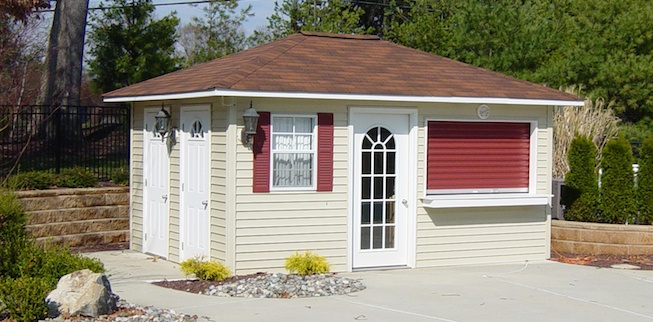
One of the best-known options is the hip roof, which is formed from two trapezoid-shaped sides and two triangular sections. This design is structurally strong and offers a solid, balanced appearance, although it is more complex to build than some other roof types. Its durability makes it a popular choice for homeowners who want a robust structure with a classic look.
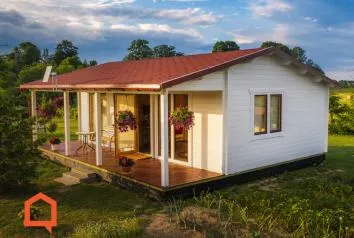
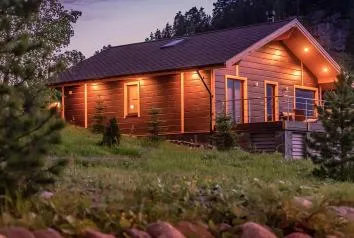
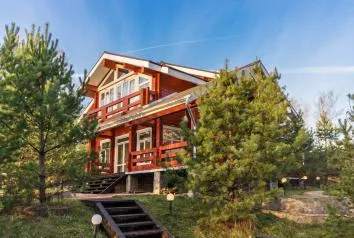
The gable roof is one of the most traditional and widely used roof styles. With two sloping sides meeting at the ridge, it creates a familiar triangular form that works well across many types of timber buildings. It also allows for efficient use of roofing materials and often makes it easier to include windows in the end walls. Because of its simplicity and versatility, this style remains a strong option for wooden homes with different roof styles, especially when buyers want a practical design that also feels timeless. The original article also notes that this is a roof type used by your company in its own timber buildings.
A mansard roof offers another variation by dividing each slope into two sections, creating more usable space beneath the roofline. This type of design can be especially attractive for anyone who wants to maximise internal living area while keeping a traditional architectural character. Although it is more difficult to construct, it remains a popular choice where additional roof-space functionality is important.
The pyramid roof is another distinctive option, usually formed from four triangular slopes that rise to a central point. Because it does not include pediments or long horizontal ridges, it creates a compact and symmetrical shape. This design is typically best suited to square or evenly proportioned buildings, where its geometry can work most effectively.
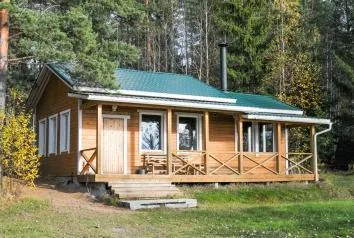
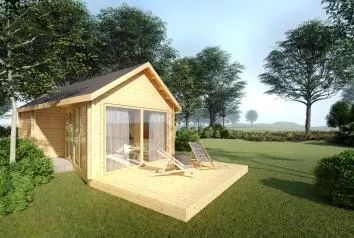
Single slope roofs, sometimes described as shed roofs, offer a much more contemporary look. They use one sloping plane, which keeps the structure simple and economical while still looking clean and modern. This type of roof is often seen on terraces, porches, and newer architectural buildings, making it especially relevant for buyers interested in modern prefab homes. The original article also points to your own examples with single slope roofs, including the Kuosa Garden Cabin and the Peleda Wooden Cabin.
The article also mentions several less common roof types, including hemispherical dome roofs, saw-tooth roofs, helmet-shaped roofs, and butterfly roofs. While these are not as widely used in everyday residential timber construction, they show how much roof design can influence the identity of a building. Whether a buyer prefers a more traditional roofline or something more architectural, the right choice can shape both the functionality and the visual appeal of the finished home.
Taking time to compare roof styles is an important step when choosing a timber building. Different designs offer different advantages in terms of cost, appearance, structural strength, and internal space. If you are exploring wider options for timber homes, it is worth reviewing a broader range of layouts and styles before deciding which roof type best supports the way you want to live.
You can find the roof illustrations and examples below for more inspiration.
Hip-roof – this roof comprises of two trapezes and two triangles. Horizontal slopes form in the intersection of the trapezes and triangles form the sloping ridge. This type of roof is very difficult to make, but it is very strong.
Gable roof – this type of roofing is traditional and very popular. Our company, Meistro Namai, uses this type of roofing. Gable roofing is triangular comprising two slopes with the ridge along the top. Slopes are upheld by the supporting walls. The triangles formed at the back are called pediments. Usually windows are installed in the pediments. The main advantage of this roof is that you can lay any type of covering on it with minimum material wastage.
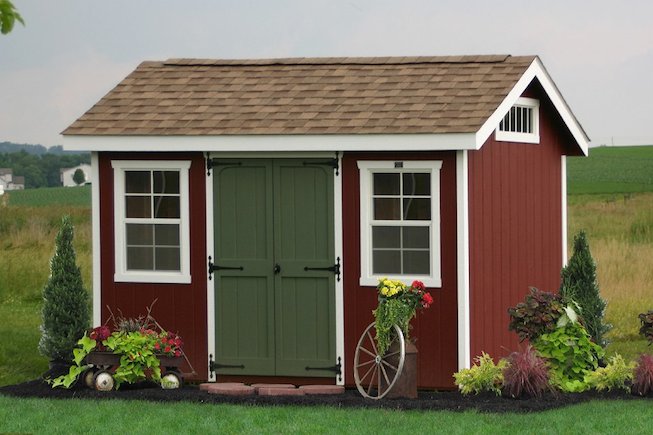
(We also offer cabins, garden cabins, wooden cabins and leisure houses with gable roofs.)
Mansard roof – this is a gable roof, which has every slope divided into two planes. The upper plane has a 30 degree slope, the lower - 60 degrees. French architect Francois Mansart made this type of roof very popular. This type of roofing is very difficult to construct, but is very popular, because it is possible to incorporate the living area within the roof space.
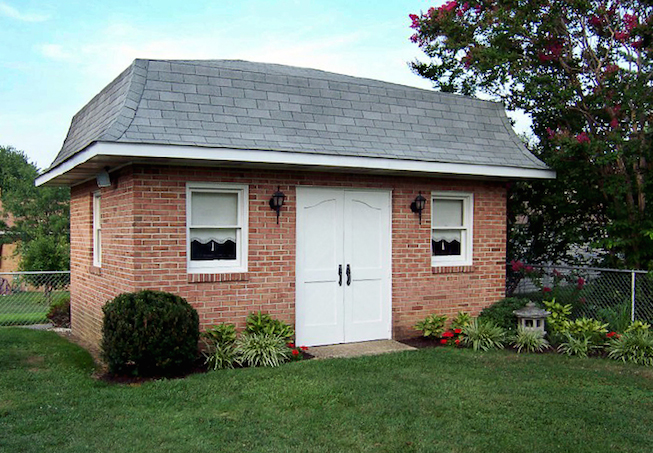
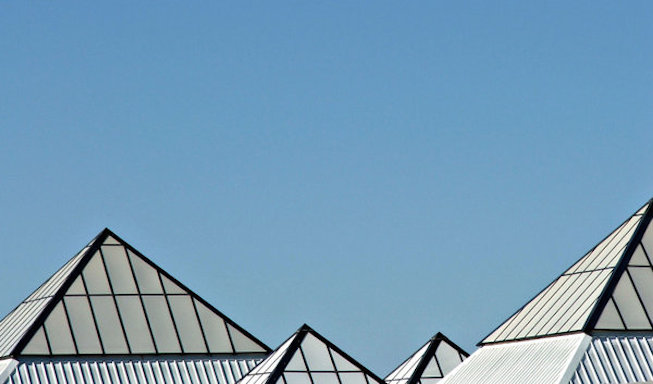
Pyramid roof – a multi-angle shape often with four slopes. These slopes are in the shape of a triangle and end in a point. This roof does not have pediments and horizontal ridges. It is a difficult roof construction, because its foundation is made out of supporting rafters, which also carry the main load. These roofs are best used for square or equilateral shaped buildings.
Single slope roof (shed roof) – A roof consisting of a single sloping surface. Usually it is used for terraces, porches etc. It is also seen in new architectural buildings. This type of roofing is economical; it has the simplest construction, lowest number of finishing elements and is relatively cheap.
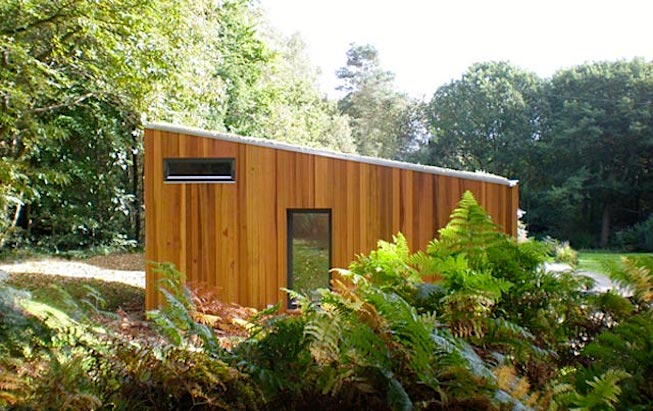
(Our company also builds houses with single slope roofs, for example the ‘Kuosa’ Garden Cabin or the ‘Peleda’ Wooden Cabin.)
Gambrel roof – this is a hip roof, but its rear triangle does not reach the ledge. This type of roof was very popular from the end of the 19th century till the middle of the 20th century. This looks like a hip roof, but it differs in the style of the rear slope. Trapeze-shaped pediments are formed when constructing this type of roof, which protect from wind and rain.
Rare types of roof
These are types of roof that are not used so often:
- Hemispherical dome roof;
- Saw-tooth roof (usually used for hangars)
- Helmet-shape roof (used for towers)
- Butterfly roof (used for new buildings)
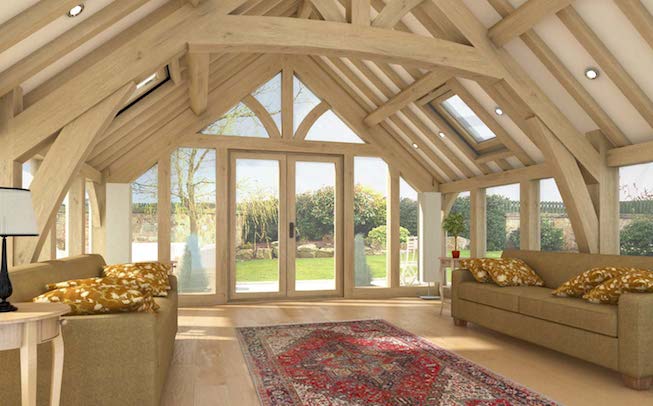
We hope this information will help to choose a roof for your house.
Ready to begin the journey to your dream home?
Cozy, natural, long-lasting – this is what your new home could look like.
Contact us and let’s bring your vision to life together!

Timber Cabins uses four main types of cookies.
By continuing to browse, you agree to the necessary cookies. You can also accept the use of other cookies. Privacy Policy